

An evening silhouette with a sleeve that does the styling
Choose this asymmetric maxi dress when you want the shape of an evening gown and a detail that carries through the outfit. The draped neckline sweeps across the bodice and picks up a fine sheen where the fabric folds. The short cap leaves one arm clear, so a bracelet or watch stays visible on that side. On the other, the long cape sleeve extends past the hand and carries the neckline’s drape down the arm.
Drape on one side
The long cape sleeve extends the line of one shoulder, with a gathered cap finishing the other side.
A defined waist
The skirt sits close at the waist and hip, then opens into a soft flare, with most of its width near the hem.
Lacing across a covered back
Tonal ties cross over the fabric at the waist, adding a point of detail while leaving the upper back covered.

Neckline and sleeve
1. Drape from one shoulder
The neckline slopes from the cape sleeve toward the gathered cap. Fine folds sweep across the bust and draw toward the waist, catching light along the ridges. The long sleeve drapes along one arm while the cap gathers just over the opposite shoulder.
If you like the sweep of a wrap, the cape sleeve gives you that line in the dress itself. The gathered cap keeps the opposite shoulder framed and leaves that arm free. The contrast is easy to see in White, where the folds and sleeve lengths supply the detail.
Waist and skirt
2. A flare close to the floor
The skirt follows the waist and upper hips before curving outward below the thigh. Most of its width sits near the floor. A smooth front runs to a narrow stitched edge, so the gentle flare is the clearest change in the skirt from the hip down.
The fitted upper skirt gives you the sweep of a gown at the hem without extra fullness across the lap. For a dressy dinner, a low-profile shoe lets the smooth fabric and fine stitched edge set the outline at the floor, especially if the hem sits low.

Finish and color
3. The details that change the look
A lace-up back with coverage
Matching cords cross over a covered back and tie at the waist. Choose this finish if you like lacing as a point of detail but want fabric across the upper back. The cords sit at waist level, leaving a smooth span between the shoulder line and the waist ties.

A subtle play of light
The fine sheen is strongest on the gathered bodice, where the folds catch light at different angles. The skirt has a smoother surface, giving the lower half a quieter finish. It’s a useful contrast if you like the effect of evening fabric without beading.

Occasion dressing
4. Choose the tone for your occasion
For a dinner with a formal dress code, Dark Brown gives the long skirt and single sleeve a deep, continuous line. Red brings a stronger color to the same silhouette. Light Blue and Light Yellow offer a pale choice for a daytime reception. Chestnut Brown has a dark bodice and a lighter skirt, so even from a distance the waist is more clearly defined. Choose White when the event’s dress code allows it.


Pair it with
Try a small clutch on the short-sleeve side, where the fabric won’t fall over your hand. A slim dress sandal or a low-profile pump keeps the focus on the dress. If you want jewelry, a small drop earring works with the diagonal neckline and leaves the draped shoulder as the main detail.
The essentials
- Fabric listing
- The supplier lists polyester under Fabric and a cotton-polyester blend under Material. Fiber percentages and lining are unspecified. Check the sewn-in label for composition and care.
- Color
- Choose Light Pink, Dark Brown, Light Blue, White, Chestnut Brown, Red or Light Yellow. The main gallery shows White. Select your color and size to view its matching studio photograph.
- Back ties and zipper
- Matching cords lace over the fabric at the back waist. A separate concealed zipper sits at the center back. The supplier gives no range for adjusting the ties.
Check waist, hip and hem clearance
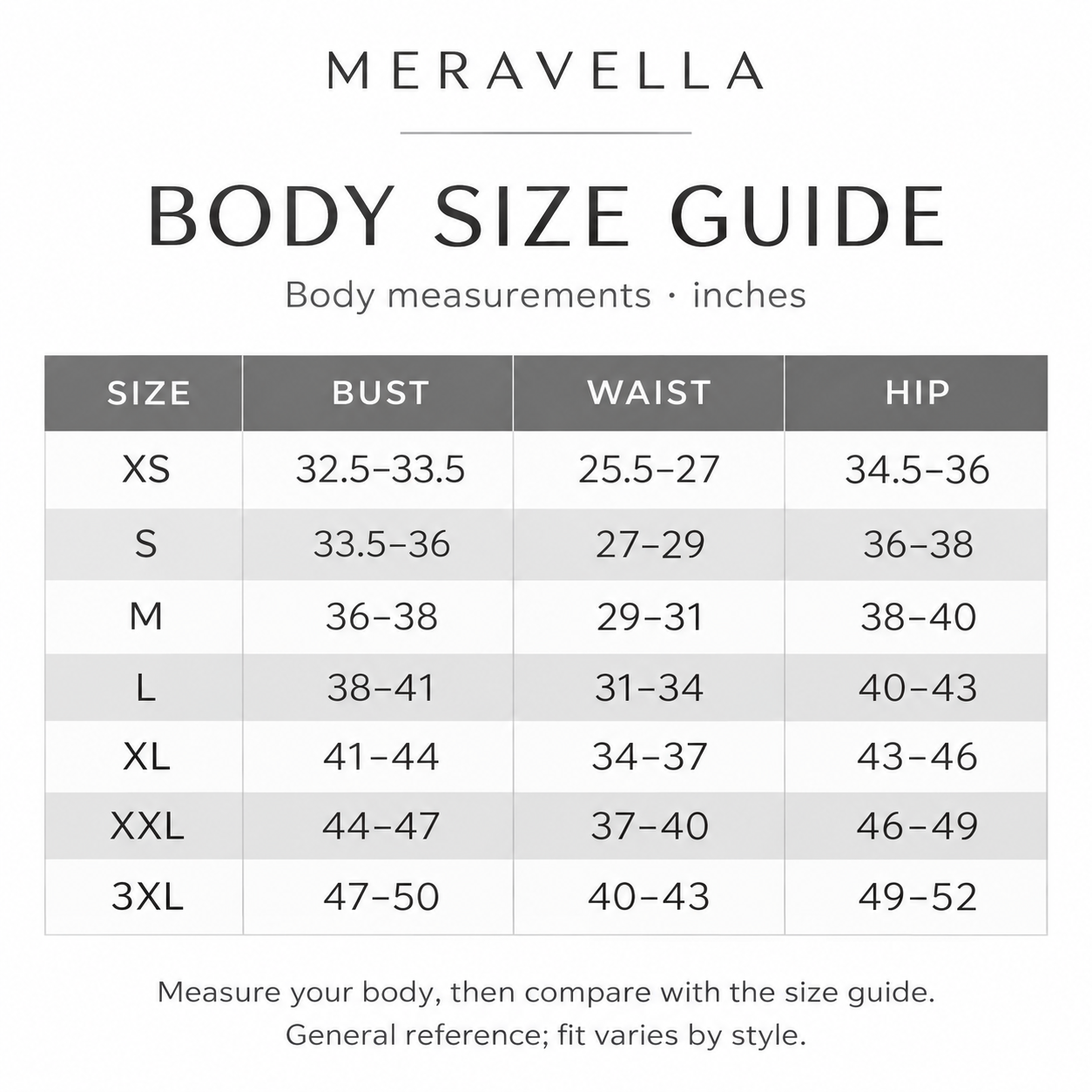
Start with your bust and natural waist, then compare the figures in the separate supplier chart. The skirt sits close through the hip, and the supplier gives no hip measurement. If you’re between sizes, compare with a dress you can sit in easily. Try it with the shoes you plan to wear so you can judge the length and how much clearance you want at the hem.
Care for the cape sleeve and ties
Read the garment label before washing, drying or pressing, and follow any separate directions for the sleeve. Lift the drape and hem clear of the floor when carrying the dress. Keep the sleeve away from rough clasps and exposed hooks in storage. If you undo the back ties, loosen them at the bow so you can keep tension off the loops that hold the cords.