

A soft sheen with shape at the waist
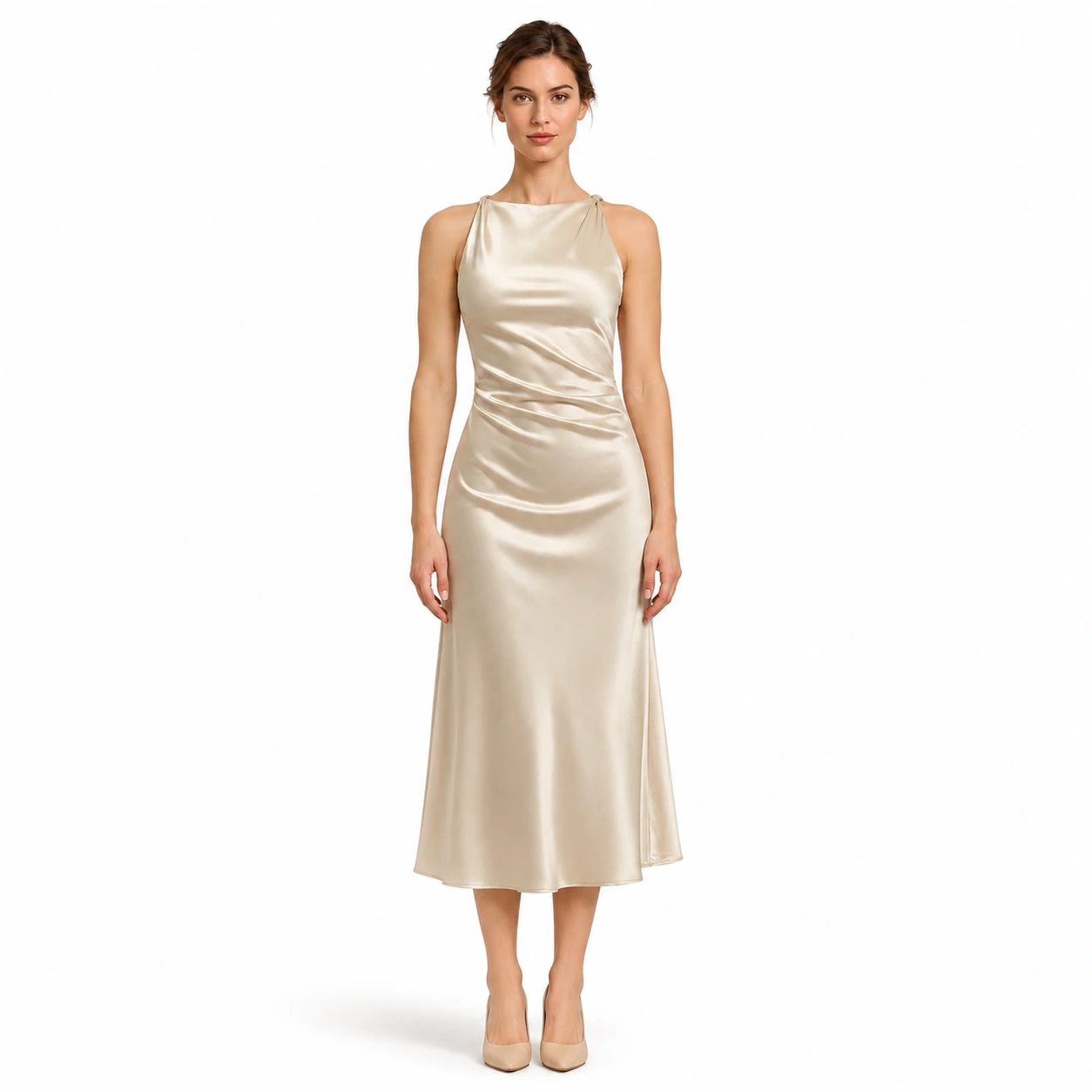
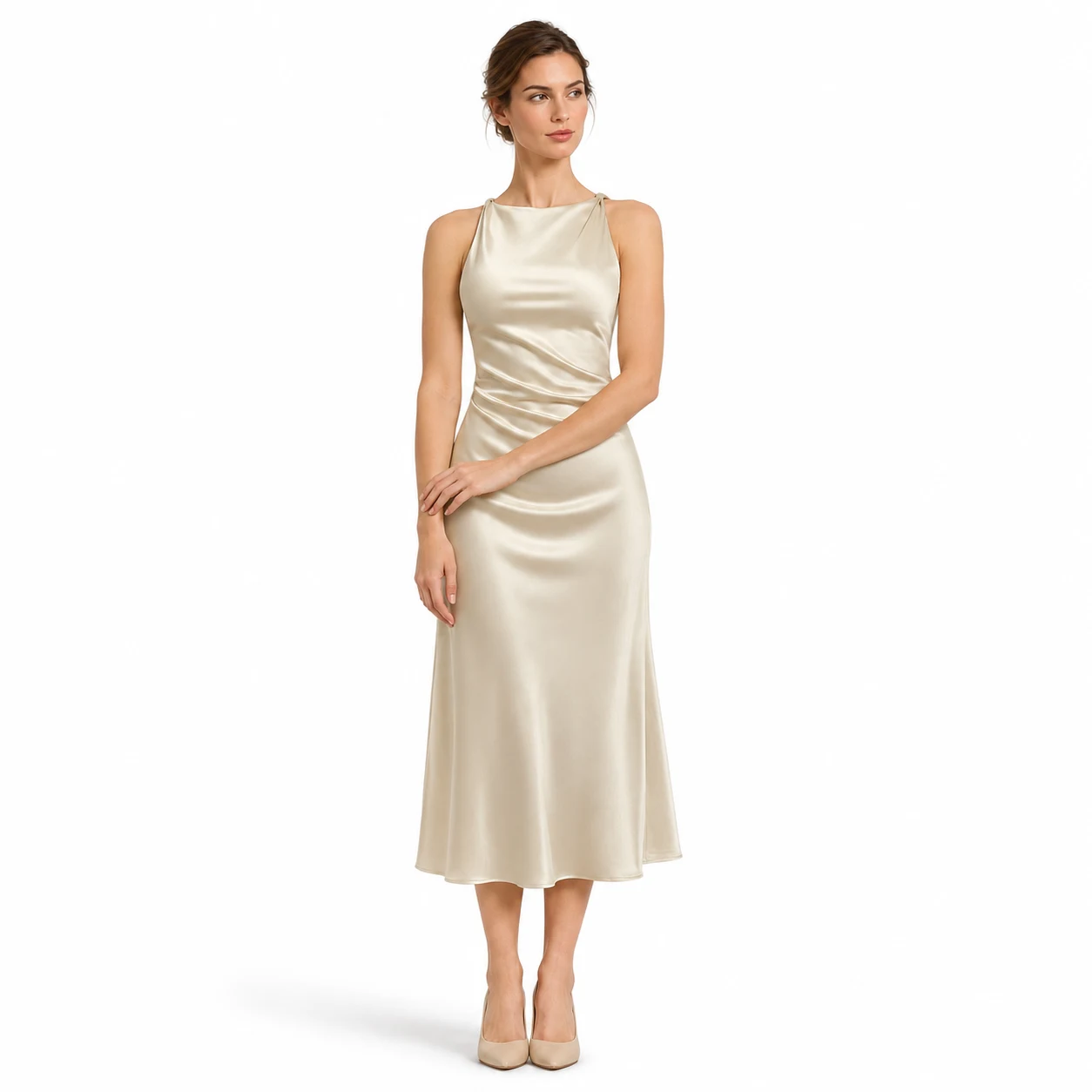
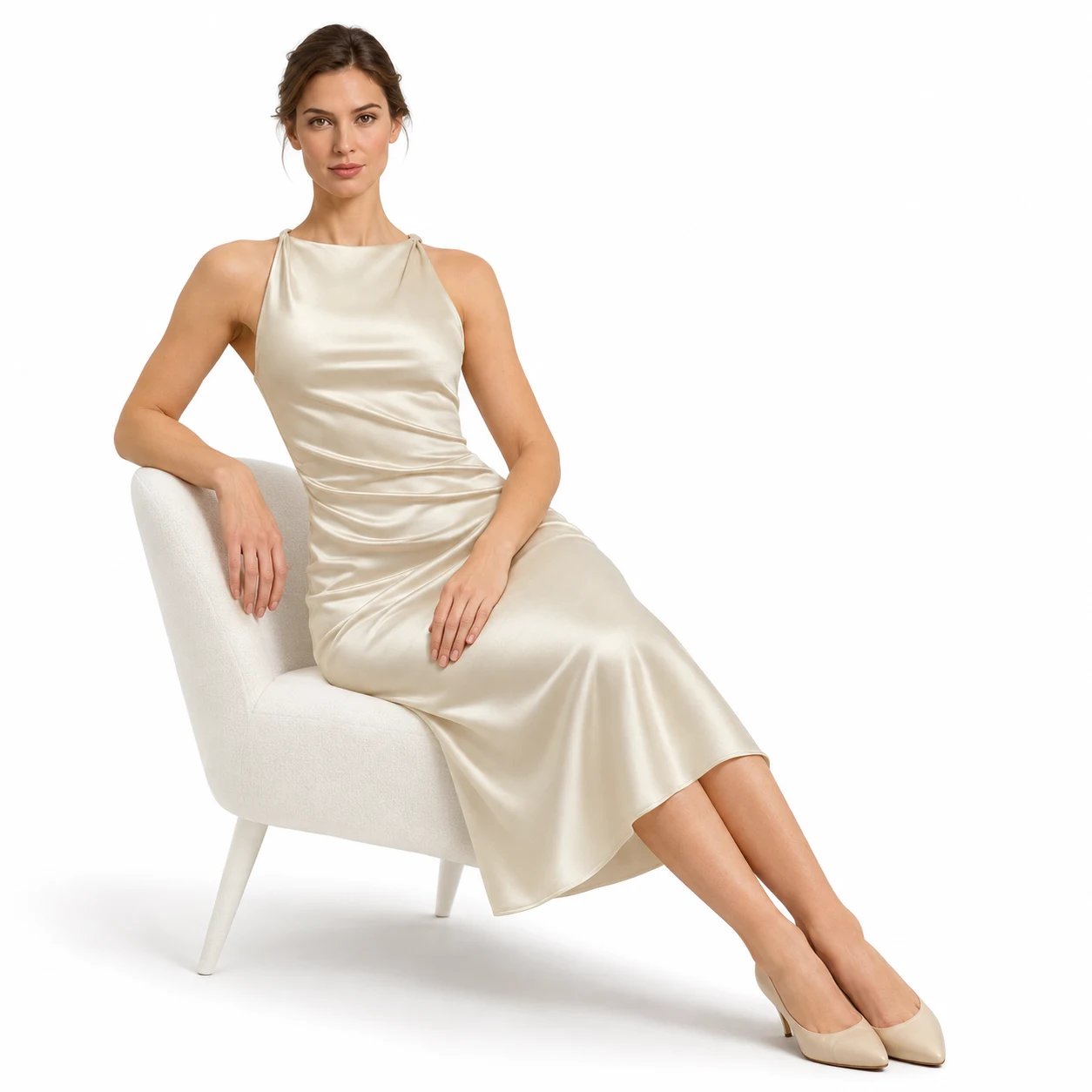
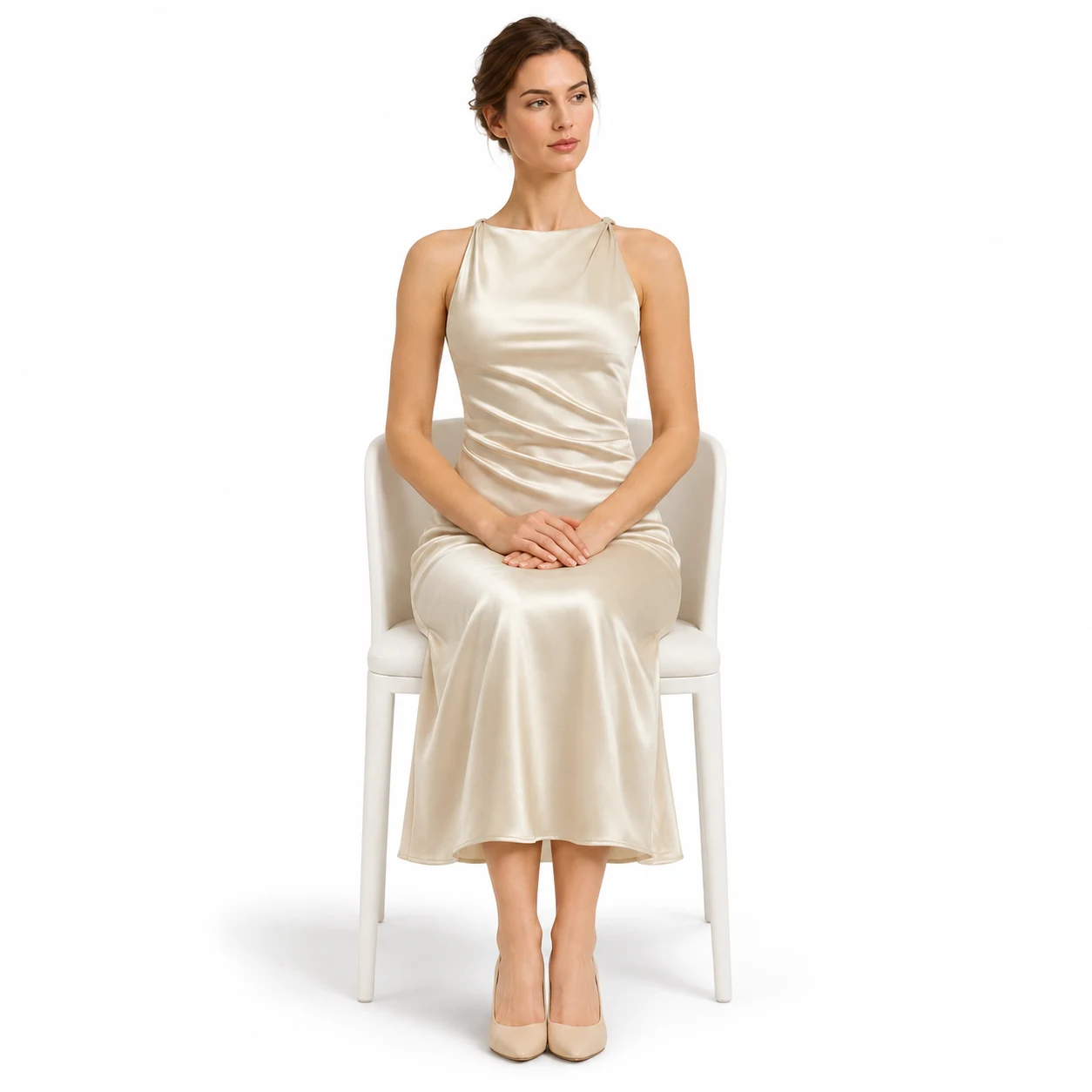
The pale apricot fabric has a soft satin-like sheen that catches the light along the folds. A high neckline keeps the front clean, while the sleeveless cut shows the shoulders. Small gathers draw the fabric across the waist and give way to a skirt that opens gently toward the hem. It has enough detail for a dinner or reception without needing a belt or heavy jewelry to give it shape.
An uncluttered neckline
The high neckline gives the top a clean edge, while the sleeveless shape leaves the shoulders and arms free.
Ruching that defines the waist
The folds sweep toward one side of the waist and add definition without a belt breaking the line of the dress.
A skirt that relaxes below the hips
The skirt opens gently beneath the fitted upper half, so the hem has room to fall rather than cling to the legs.

Neckline and waist
1. A clean neckline, a gathered waist
The raised neckline runs across the front instead of dipping toward the bust. Leave it visible with small earrings or a short jacket worn open. Lower down, the folds gather to one side of the waist and catch the light more clearly than the smooth upper fabric.
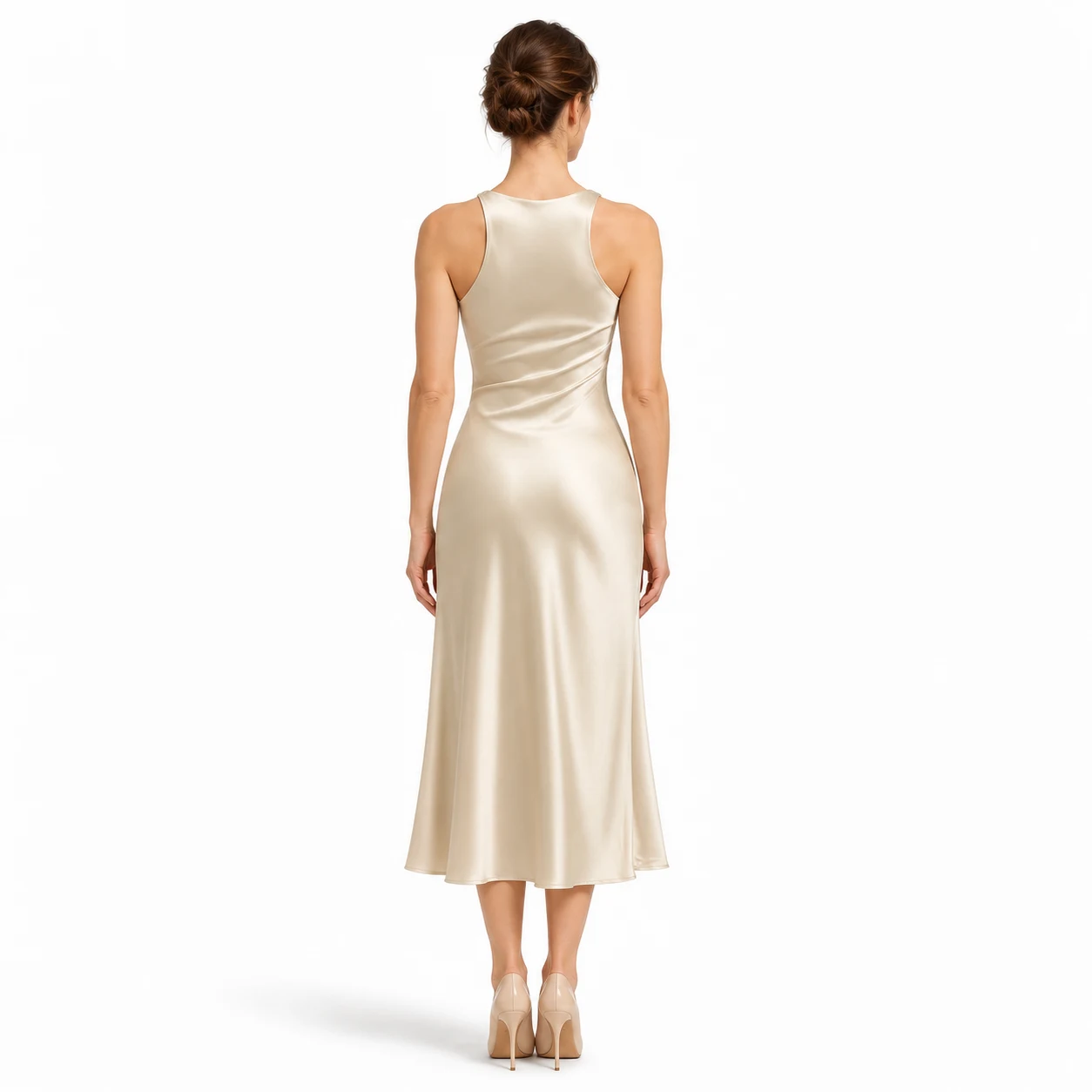
The slim shoulder straps leave the shoulders visible, while the fabric continues across the upper back. Try a light wrap on cooler evenings. Keep it loose over the shoulders rather than belting it in front, so the folds at the waist can still do their job.
Skirt and hem
2. Where the skirt starts to flare
The fabric lies closer near the hip and then opens gradually toward the hem. The dress keeps a straight line through much of the skirt, with a little extra width below. It’s a gentler flare than you’d see on a full party skirt.
See where the hem lands on you before deciding what to wear with it. A low heel can keep the line light, while a simple flat works when you want to dress it down. Compare both lengths listed for your size with a similar dress and the shoes you plan to wear.

The folds from two angles
3. See where the ruching sits
The side with the gathers
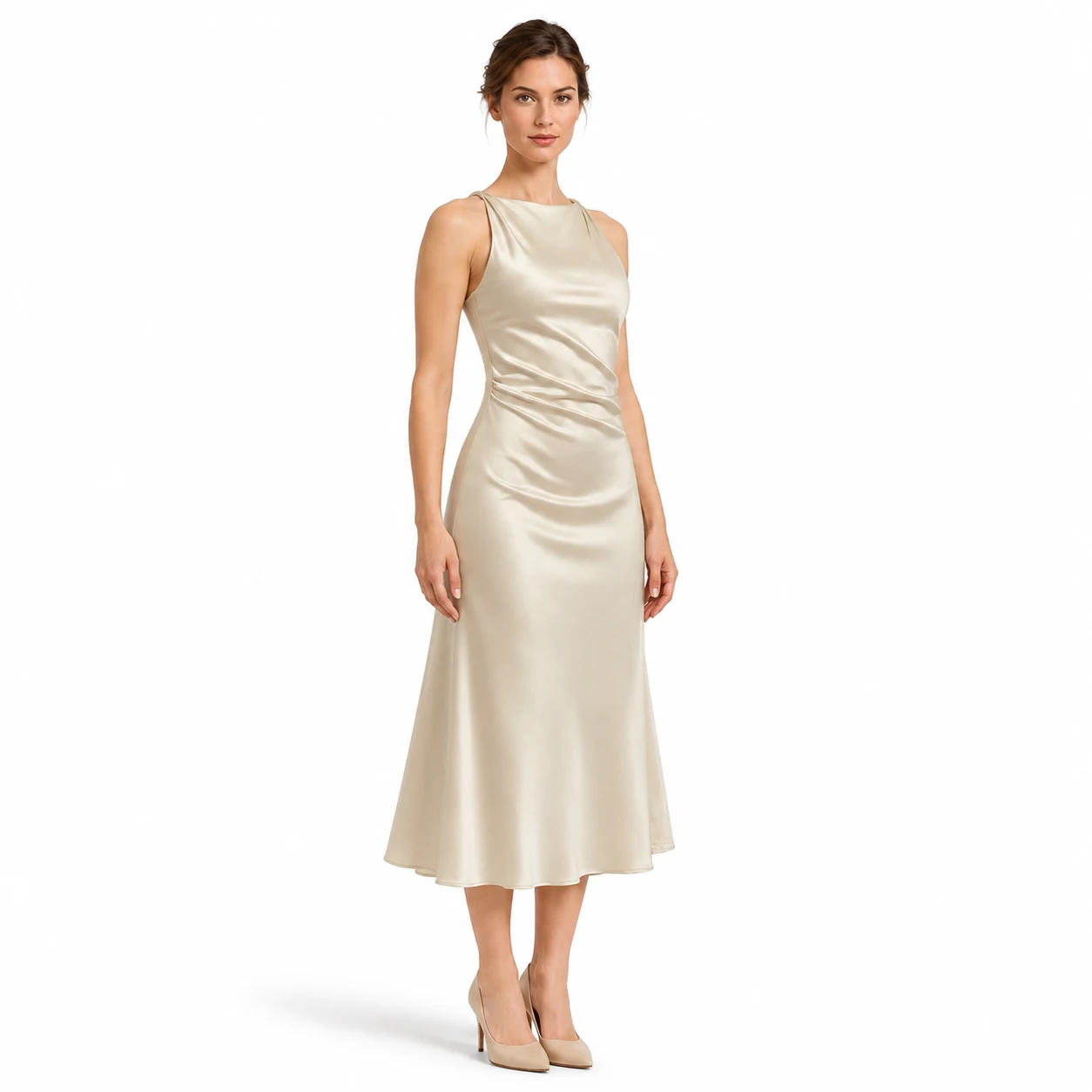
The waist folds are easier to see from a slight angle, where they show a contrast with the smooth fabric above. The gathers sit in the dress rather than on a separate tie. If the waist is where dresses usually feel close, check that measurement before ordering.
The other side of the dress
From the opposite angle, you can see the skirt fall away from the hip without a heavily gathered hem. The light fabric shows the shape of the skirt even without a contrasting seam or a print. A small bag or a low shoe keeps the focus on that line.
Ways to wear it
4. Let the fabric carry the outfit
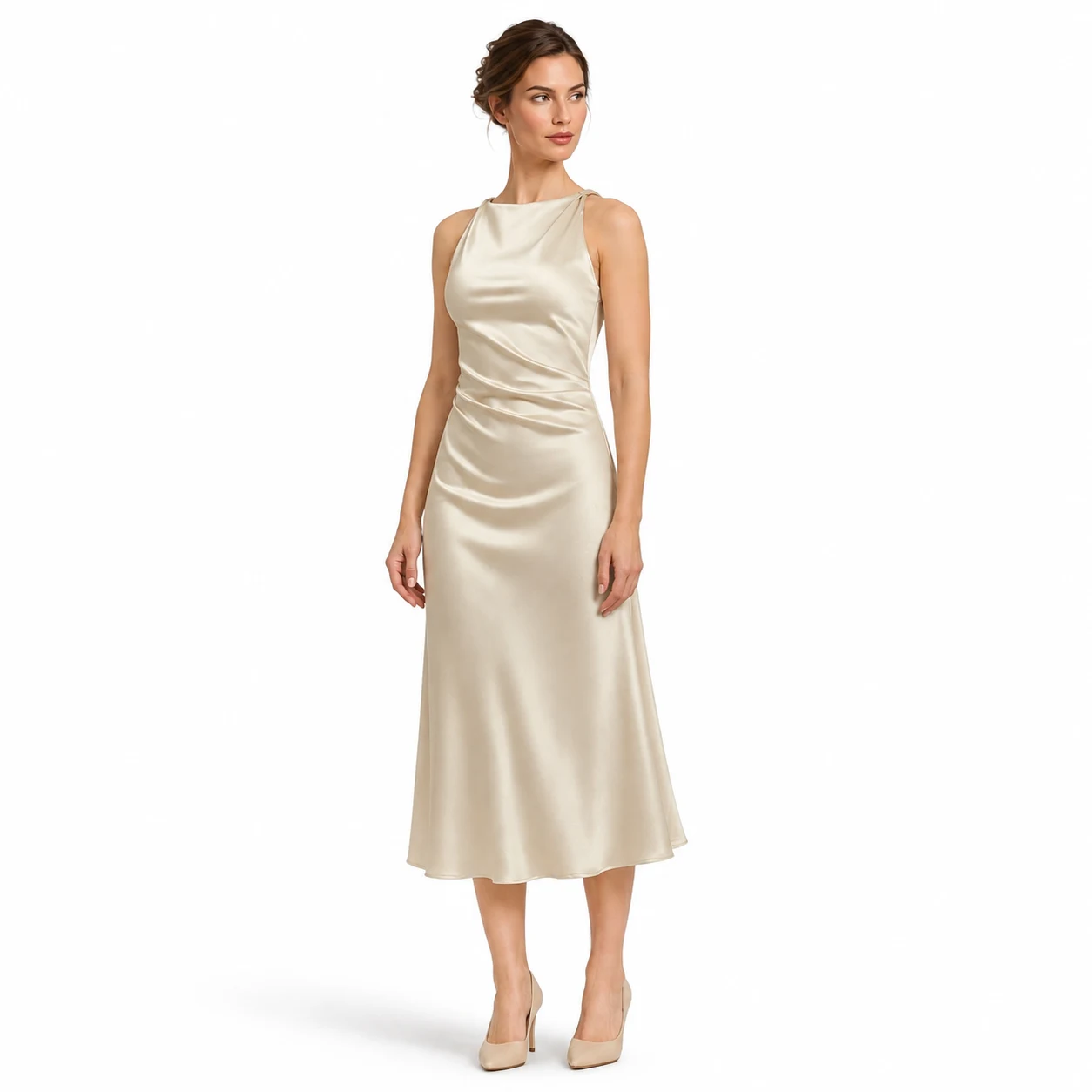
Pale apricot works nicely with low nude pumps and a small bag for a dinner or reception. If you want more contrast, try simple dark accessories without a strong pattern. The high neckline is best left free of a long necklace, which can interrupt the sheen across the top. On a cool evening, add a wrap or an open jacket that ends above the gathered waist. Keep the waist uncovered so the folds stay visible.
Choose shoes around the hem
Try the dress with the shoes you already wear comfortably. A low heel leaves more space below the hem, and a slim flat makes the dress feel less formal. If you are going to sit for much of the event, check the hem while seated as well as standing so you know where the fabric is likely to fall.
The essentials
- Neckline and shoulders
- A high neckline crosses the front above the bust. Slim shoulder straps leave the arms bare, while fabric continues across the upper back to keep the outline simple from behind.
- Waist detail
- The folds gather toward one side rather than meeting in the center. The result is a visible waist detail without a separate tie, belt or a horizontal break across the front.
- Skirt shape
- The skirt sits closer at the hip and widens gently below it. The flare is most visible near the hem, where the dress falls in a few soft folds rather than deep pleats.
- Color and fabric
- Apricot is a pale, warm cream rather than a strong orange. The polyester and spandex fabric has a satin-like sheen that is easiest to see along the front waist folds.
- Measurements
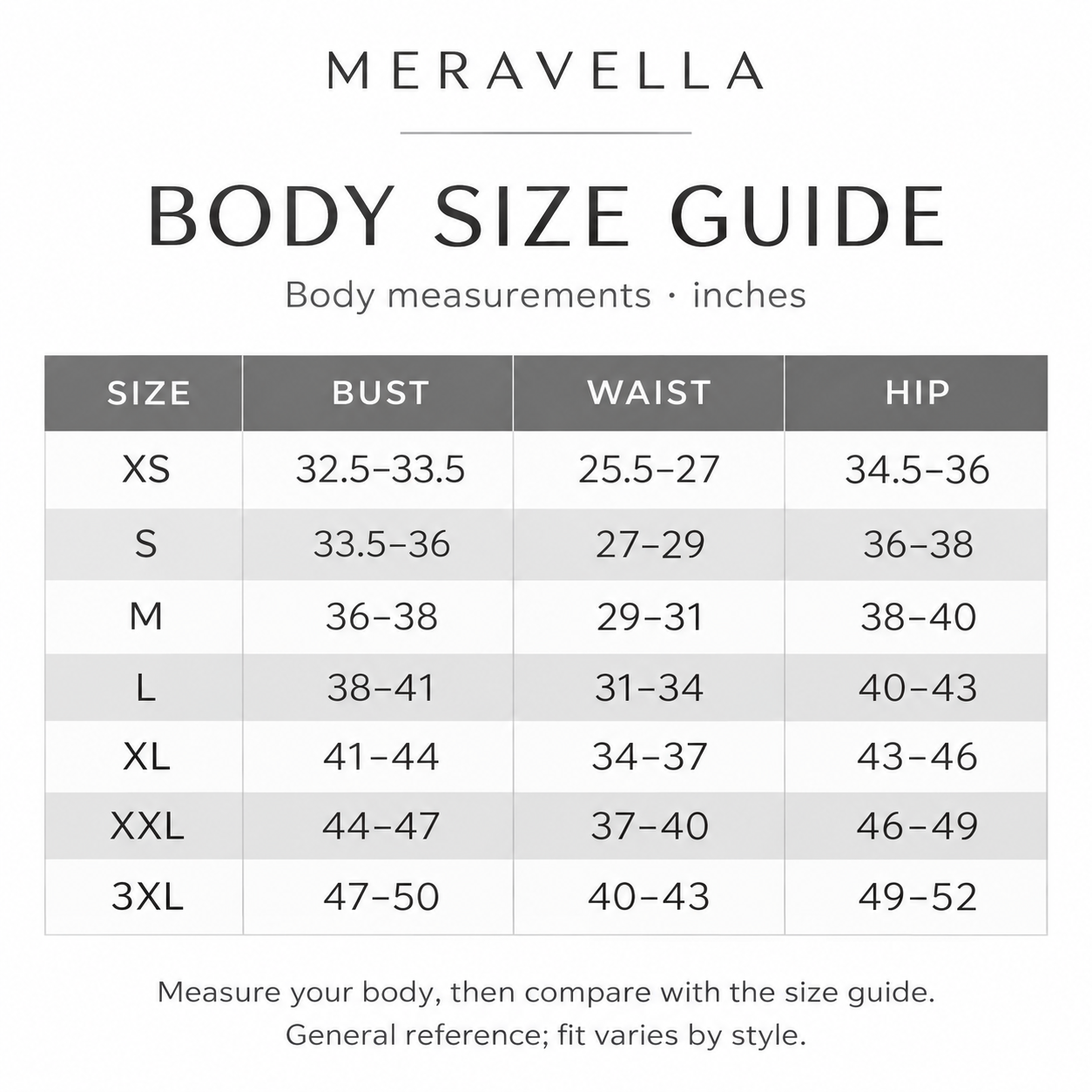
- The Size Guide lists the dress bust, waist, hip and length in inches. Compare those measurements with a dress you already own, especially if fitted waists tend to feel close.
Start with the waist and hips
Lay a fitted dress you already wear flat and measure across the bust, waist and hips. Double the flat widths before comparing them with the garment chart. Check the listed lengths for that size with the shoes you plan to wear. If the waist and hip suggest different sizes, compare both measurements rather than choosing from the letter size alone.
Be gentle with the gathered area
Follow the garment care label before cleaning or pressing. Hang the dress up after wearing it rather than folding it tightly over a rail. If the label allows you to press it, start on a small area on the inside. Avoid pressing directly over the gathered folds at the waist, and keep sharp jewelry from catching on the fabric when you take the dress off.