



A shirt dress with a softer outline
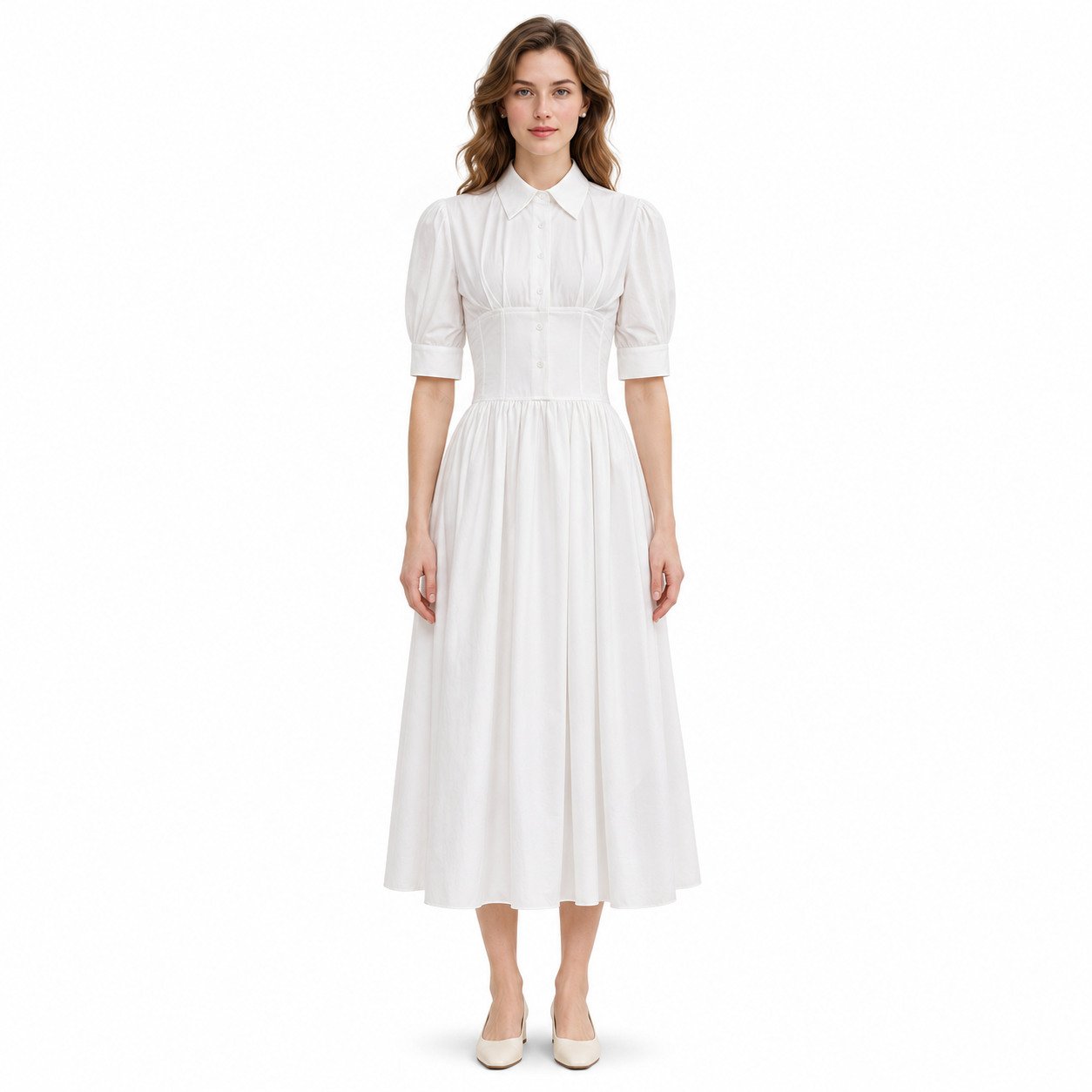
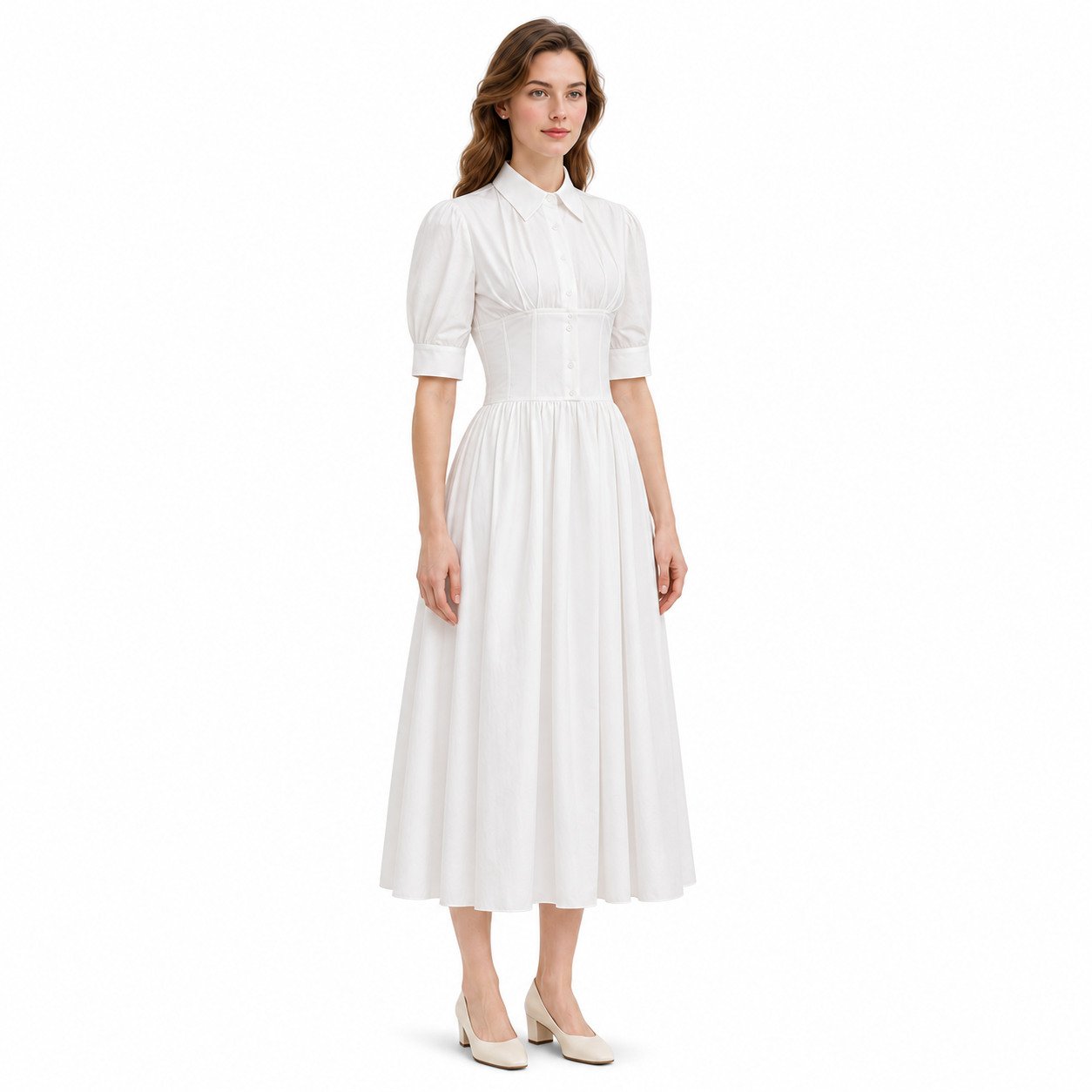
This white shirt dress puts a tailored bodice over a long skirt with plenty of sweep. The pointed collar and understated white buttons give the top the definition of a favorite shirt, while the skirt gathers at the waist and falls into gentle folds. It makes a complete daytime outfit on its own, with enough detail for a lunch out and a clean silhouette that still feels at home with simple flats.
A defined waist
Shaped seams give the high waist a defined outline, so you get a fitted silhouette without adding a belt.
A skirt with sweep
Gathering builds fullness at the skirt seam and lets the long A-line fall in soft folds all the way to the hem.
A neat sleeve finish
Broad, straight cuffs finish the short sleeves cleanly and give the soft volume above them a clear outline.

The shirt-inspired bodice
1. A collar that frames the face
The pointed collar makes white feel crisp and deliberate. Small matching buttons let the collar hold the focus, with a clean line down the front of the bodice. That balance gives the dress the polish of a collared shirt and the simplicity of one piece.
The front buttons stop at the waist, leaving the skirt visually uninterrupted. That makes this a good choice if you like the look of a collared dress and prefer a clean expanse of fabric below the bodice over a full-length placket.
Waist and skirt
2. Shape with room to sweep
The high waist has its own shape, with vertical seams that define the midsection. The gathers begin at the lower edge of that panel, so the skirt can open into an A-line while the fitted outline stays clear through the bodice.
That change in volume makes the dress a good choice if you like definition at the waist and a fuller skirt below it. The long cut gives the folds space to fall naturally, and the clean hem keeps the fullness from making the outfit feel overly dressy.

Details that define the look
3. A considered finish
Short sleeves with a clear edge
A little volume through the short sleeves softens the line at the shoulders. The broad cuffs then give each sleeve a crisp finish. This is a useful middle ground when you want some upper-arm coverage and a sleeve shape that still looks intentional.
Solid white, easy to pair
Solid white lets the seams and folds carry the design. It also gives you a clear starting point for color. Muted blue or sand can keep the outfit quiet, while a richer tone such as burgundy can add interest without competing with a print.

Where to wear it
4. Dress it for daytime plans
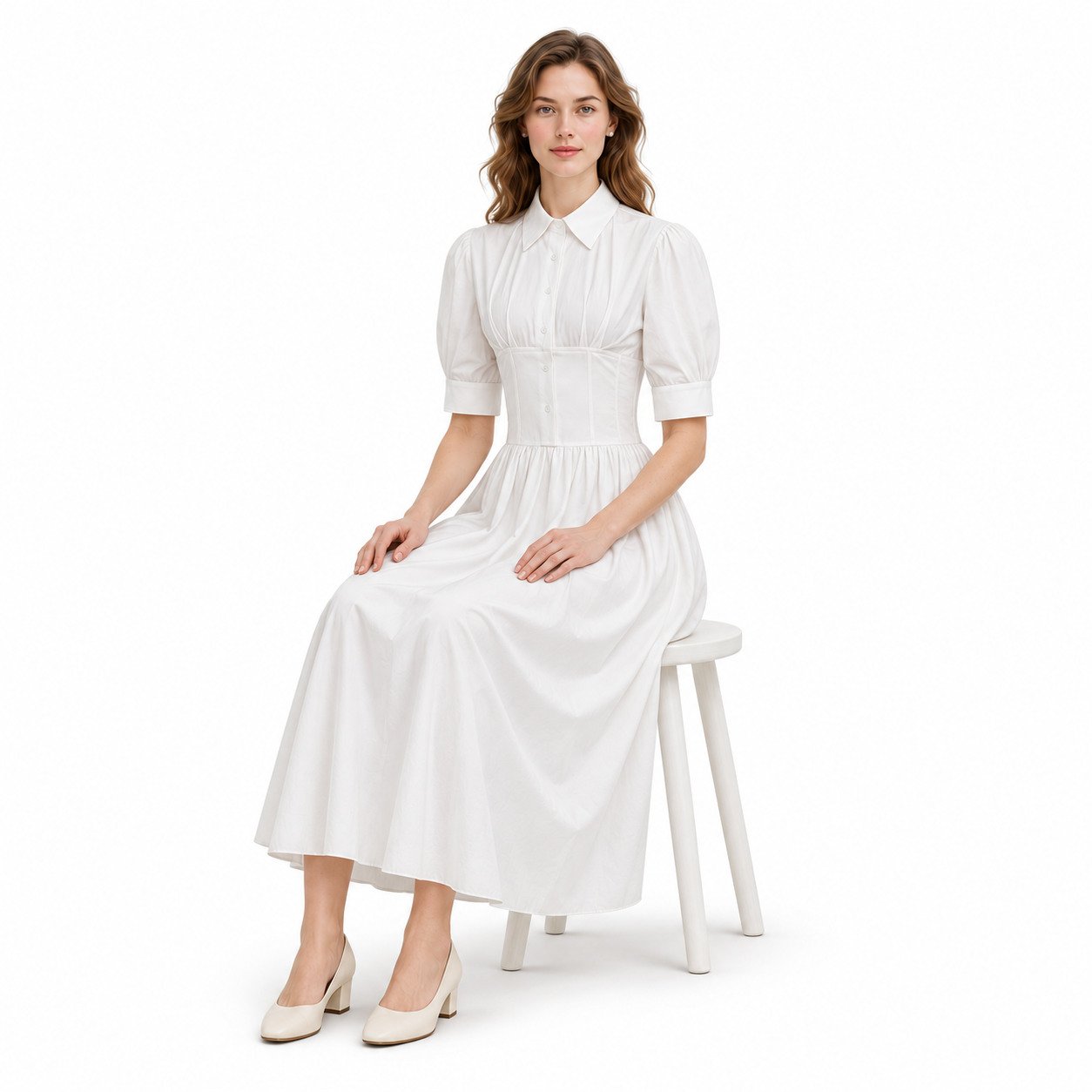
Choose it for a day when you want to look put together with one main piece. The shirt collar works well for a daytime gathering or lunch reservation, and the long gathered skirt looks at home if plans continue into the afternoon. The understated fastenings keep the outfit simple, so changing from your everyday shoes to a dressier pair is enough to take it from a museum visit to a meal out. Keep accessories simple to let the shape carry the outfit.

Pair it with
For a day in town, choose simple leather flats and a compact crossbody to keep the outfit easy to carry. For lunch or a daytime celebration, try a low block heel and a small structured bag. A flat keeps the proportions relaxed, while a little heel gives the long skirt a more dressed finish.
Dress essentials
- Silhouette
- The dress is fitted through the upper body and high waist, then opens into a long A-line skirt. The skirt is gathered at the seam, so the volume starts below the shaped waist panel.
- Color
- White is the listed color. The collar, buttons and skirt all stay in the same light palette, leaving the seam lines and skirt folds as the dress’s visible detail.
- Neckline
- The front has a pointed shirt collar and a single row of matching buttons. The collar gives a defined neckline and the row of buttons is confined to the bodice.
- Sleeves
- The short sleeves have soft fullness above their broad cuffs. Each cuff gives the sleeve a straight lower edge, so the sleeve shape reads clearly even against the all-white bodice.
- Main fabric
- The supplier lists nylon as the main fabric. Exact fiber percentages and the presence of a lining are unspecified. Use the sewn-in label for garment care.
Choose a size for the fitted waist
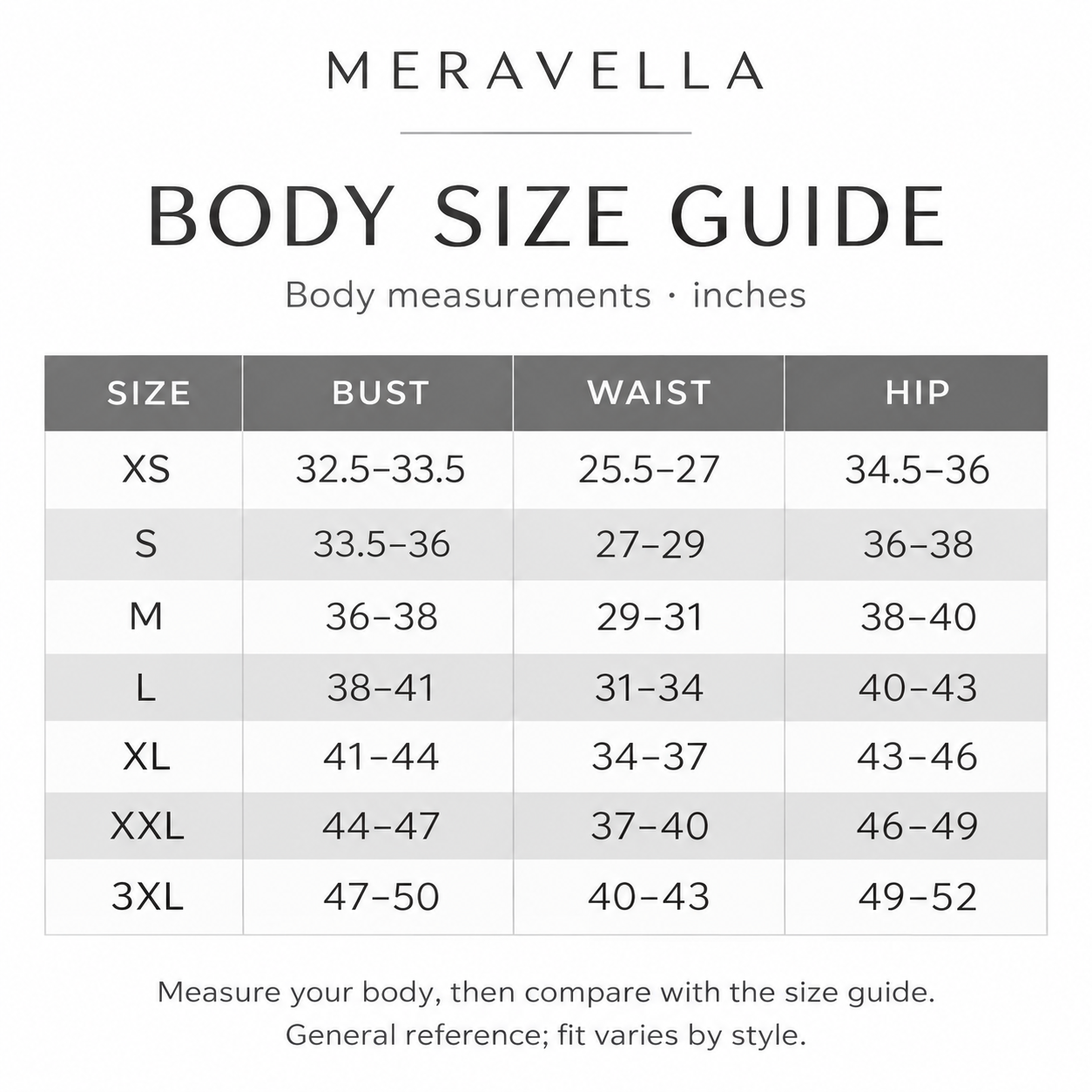
Start with a dress of a similar shape that you already enjoy wearing. Use its bust and waist as reference points for the fitted bodice, then compare the listed back length to get a sense of where the hem may fall. If you’re between sizes, think about how much room you like when you sit or move. The Size Guide keeps the supplier figures and the body chart separate.
Keep your collar and cuffs neat
Start with the sewn-in label for washing and drying. Check it before using heat on the pointed collar or cuffs, and smooth those details only if the label allows pressing. Between wears, button the bodice and hang the dress with enough room for the gathered skirt to fall freely. That helps keep the skirt folds from being crushed in storage.