


A defined waist without extra trim
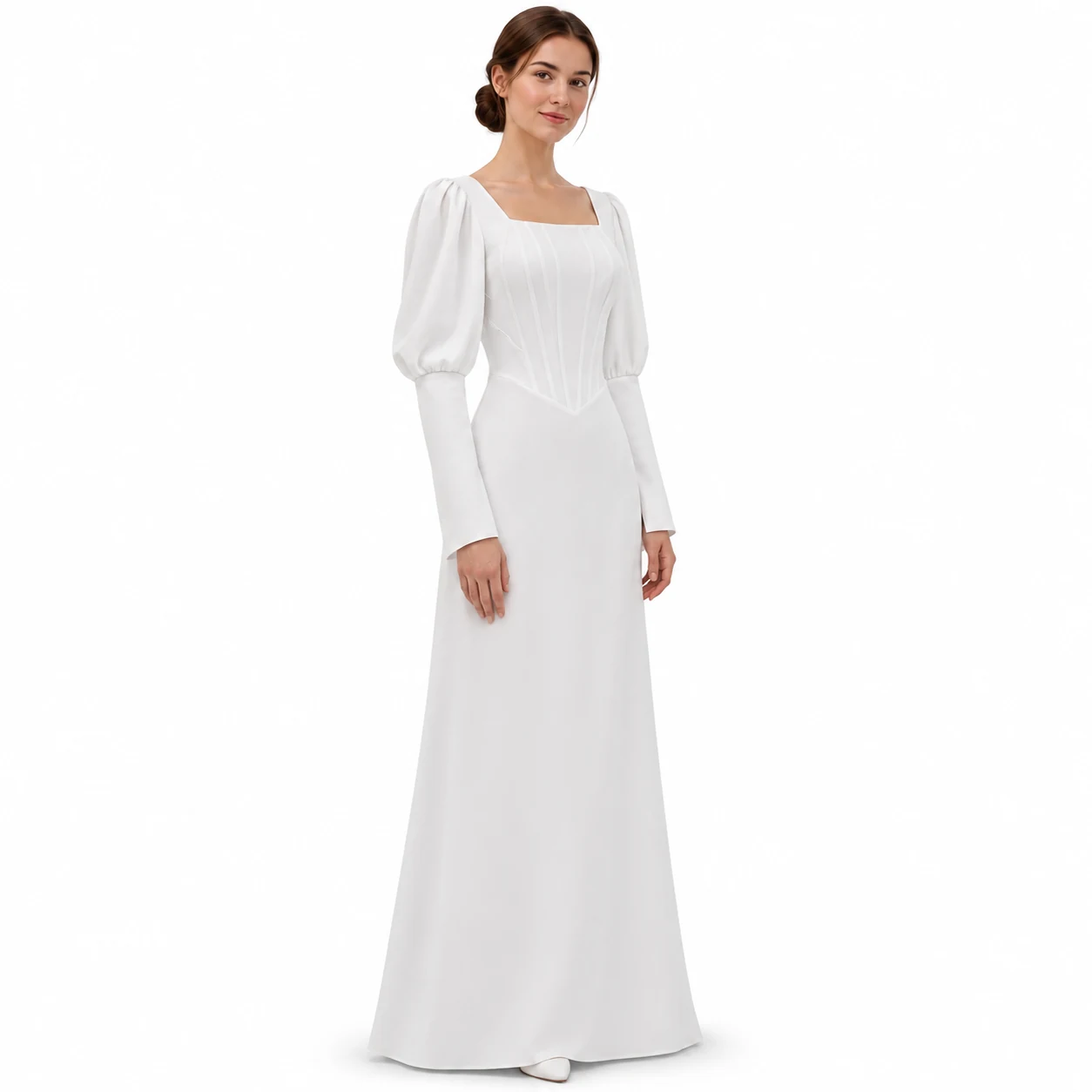
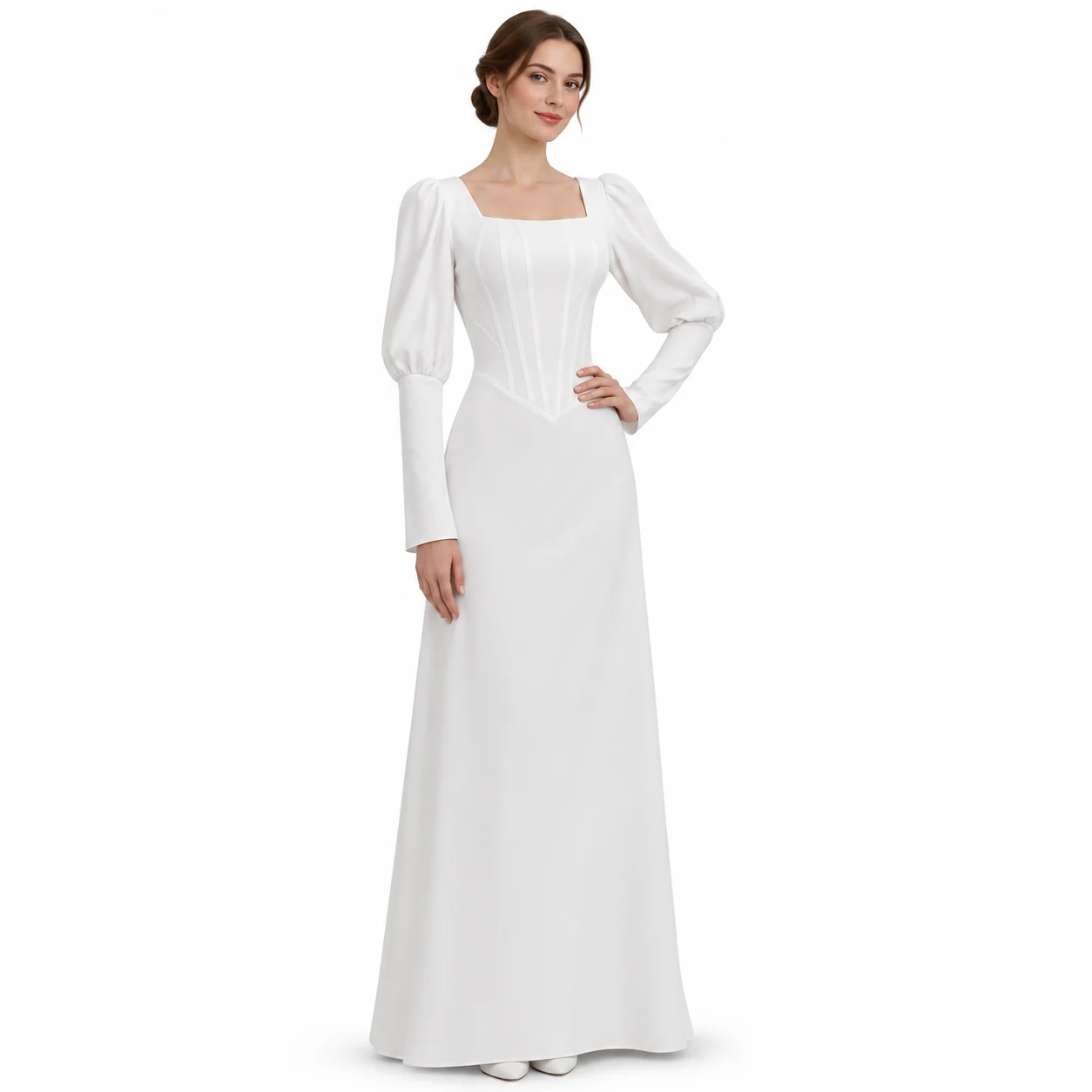
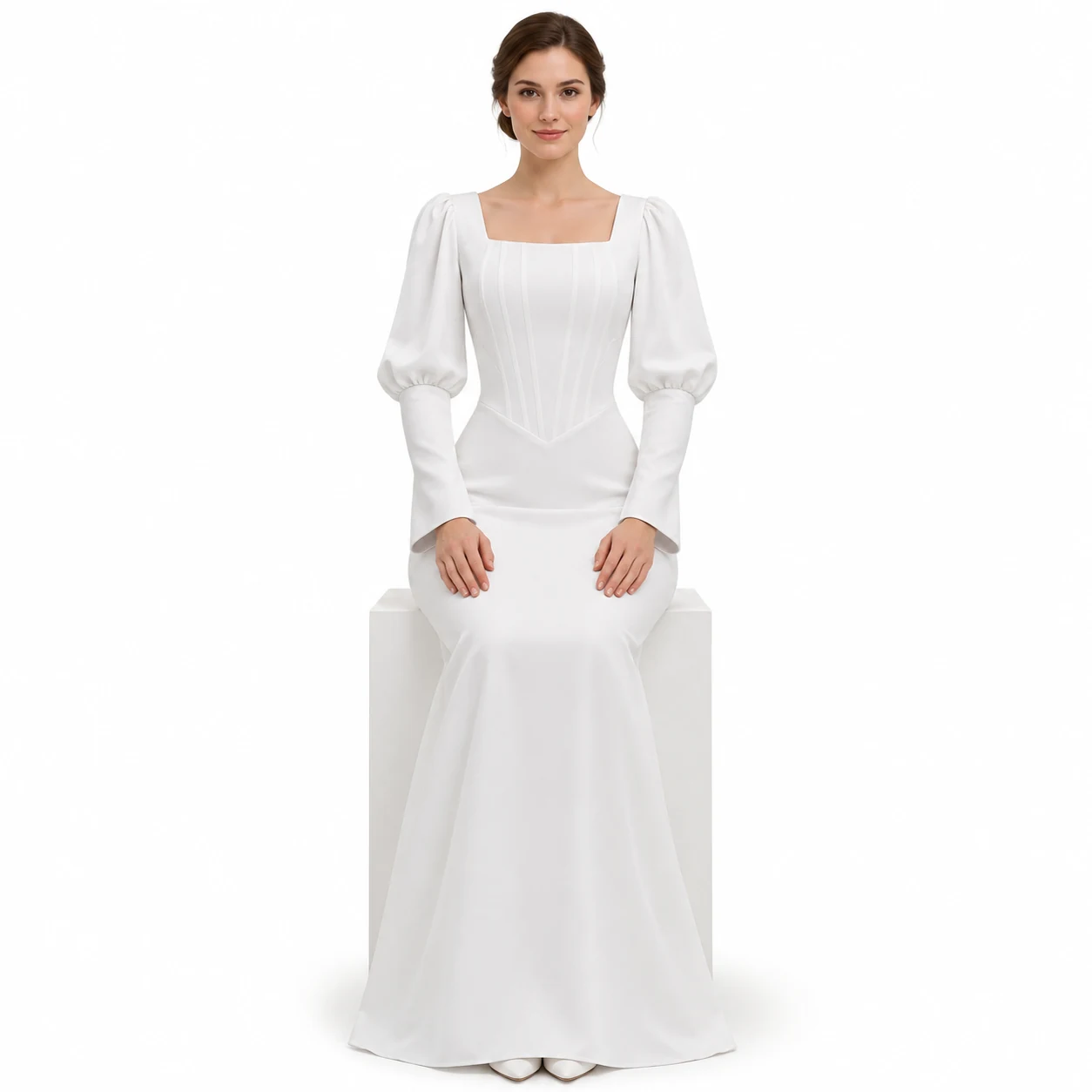
This white maxi keeps the details in the cut rather than adding lace, stones or a contrasting belt. Fine vertical seams shape the front bodice and meet at a point over the waist. The square neckline leaves the shoulders covered, and the long sleeves finish with defined cuffs. From there the plain skirt falls toward the floor, making the dress easy to wear with understated accessories.
A square edge at the neckline
The shallow square neck gives the upper front a defined edge while leaving the shoulders covered by the long sleeves.
Shape built into the cut
Vertical seams and a pointed waist give the bodice definition without a belt or a different color through the middle.
A plain skirt all the way down
The long skirt gives the bodice room to stand out. It widens a little toward the hem without adding a tier or trim.
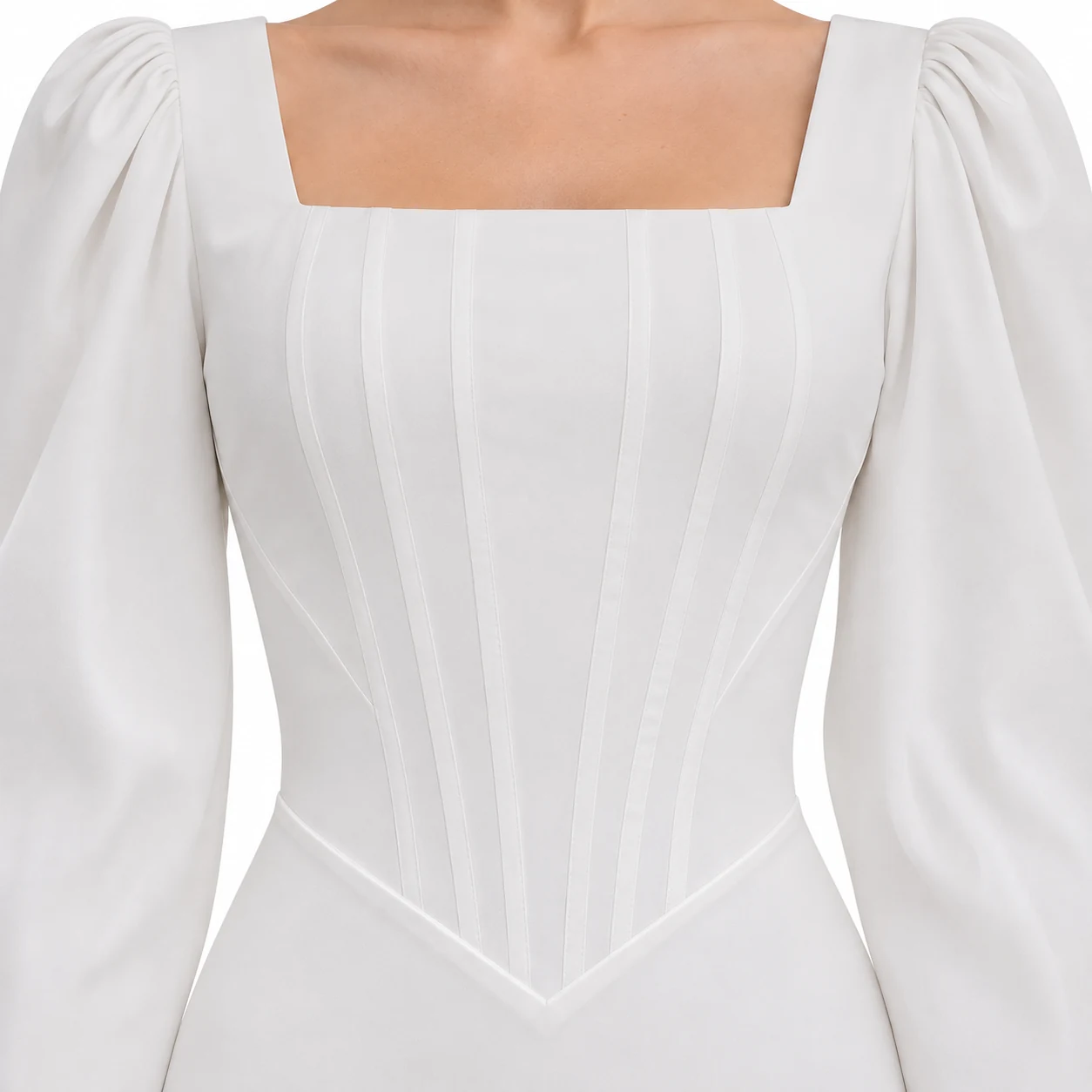
The neckline and front bodice
1. A pointed waist seam
The fine vertical lines in the front bodice meet a waist seam that dips to a point. That gives the dress shape without a belt or a band of contrasting trim. The square neckline and narrow sleeve cuffs let the fine vertical bodice seams do the work.
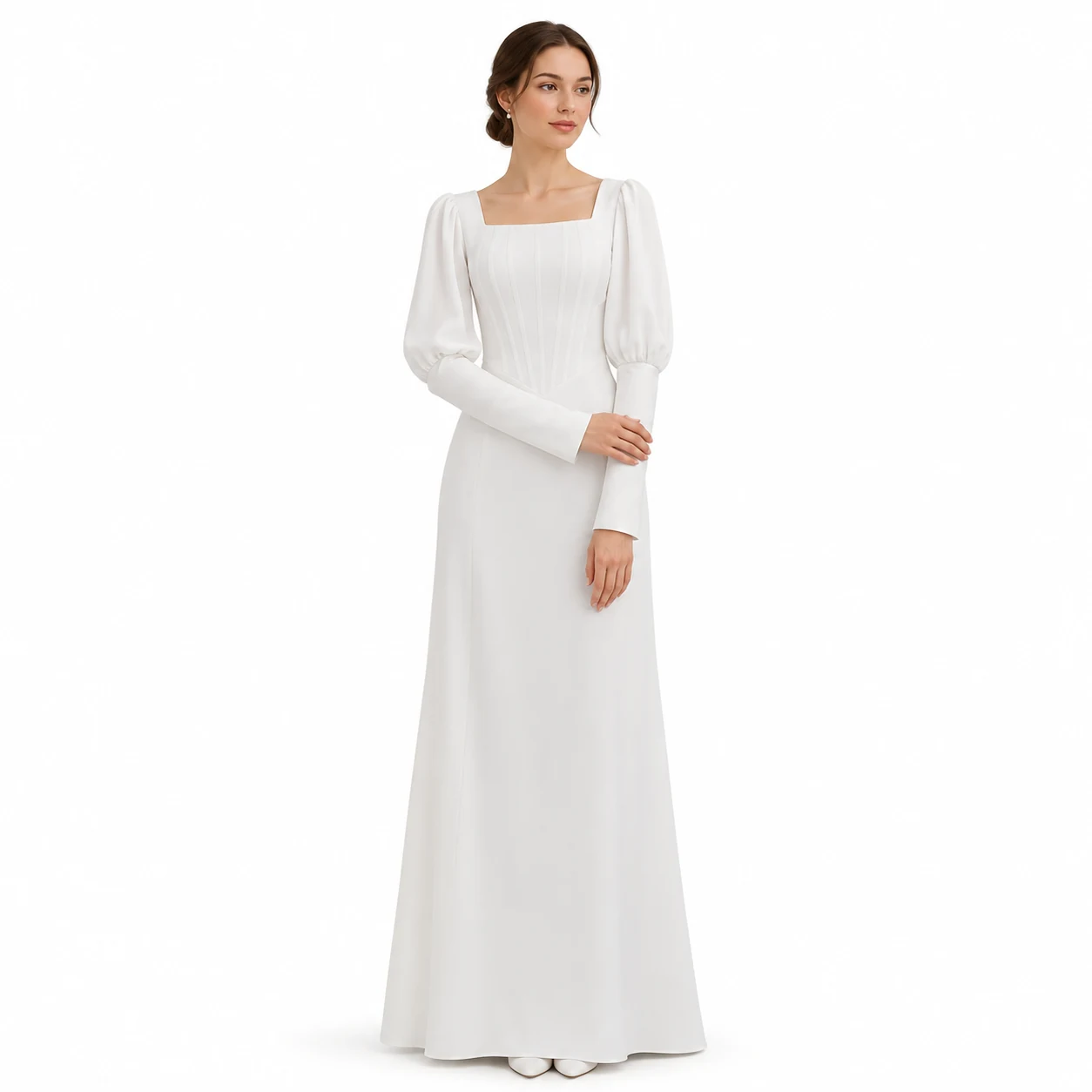
The sleeves have some volume above the elbows before narrowing into long cuffs. If you wear an outer layer, leave room at the shoulders and forearms so the sleeves can sit comfortably without folding into the cuffs near the wrists.
The lower skirt and hem
2. A long skirt with a simple edge
The skirt falls fairly close below the waist and opens slightly toward the hem. With no tiers or border around the bottom, the fabric forms a continuous white line from the waist to the floor in the full-length photos.
The dress is cut long. Check the overall length for your size against the hem of a dress you already own. If you prefer low shoes, make sure the hem clears the floor when you try the two together, especially if the venue has steps or outdoor paths.

Two front angles
3. Definition through the front waist
A clear point at the waist
The bodice tapers to the pointed seam before the skirt starts. Its continuous color keeps the two parts looking like one dress. If you want that shape to remain visible, keep accessories above or away from the pointed seam at the waist.
A sleeve with a fitted finish
The sleeve has gentle fullness above the cuff, then falls close along the forearm. A small bracelet or plain ring suits the shape better than a wide cuff bracelet that could press against the sleeve opening when you rest both hands on a table.
Where to wear it
4. A simple white occasion outfit
This dress suits a ceremony or formal dinner where a white outfit makes sense and you want the shape to matter more than the accessories. A shoe in the same light tone can keep the skirt line continuous. If you want a bit of contrast, choose it in a small clutch or earrings rather than adding a belt around the pointed waist. Let the squared neckline and long cuffs frame the upper half of the dress.
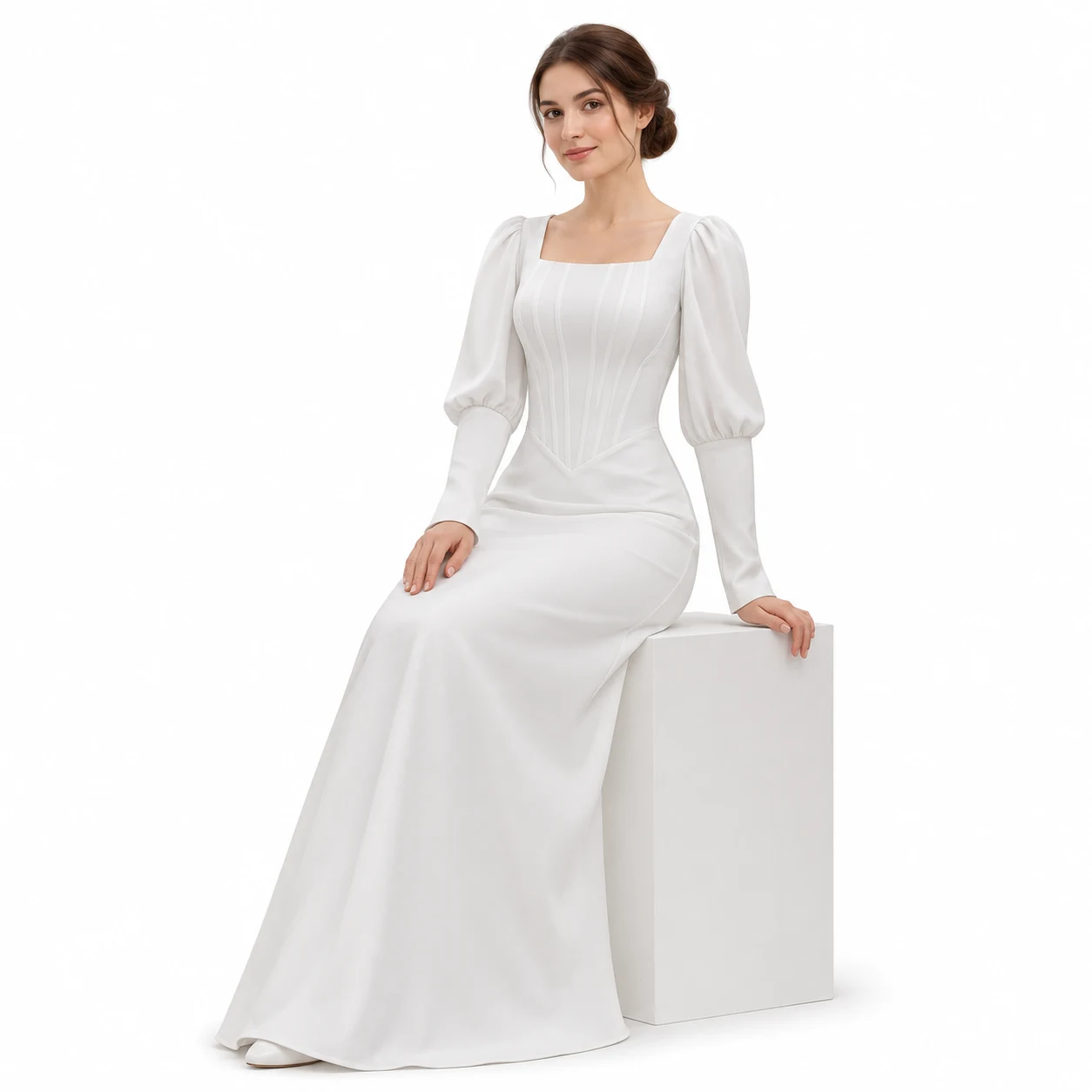
Check the hem before the event
A low heel or a closed pointed flat keeps the focus on the plain skirt. Try the height you plan to wear, then check the hem while standing and taking a few steps. If you need an outer layer at the venue, pick one with room through the sleeves and leave it open so the square neckline stays visible.
The essentials
- Silhouette
- A fitted bodice meets a pointed waist seam above a long narrow skirt. The lower skirt widens gently, and overall dress lengths are listed separately for all available sizes.
- Neckline
- The front has a shallow square neckline and fine vertical seams on the white bodice. The seams give a corset-style look without a contrasting trim or visible lacing.
- Sleeves
- Long sleeves have some fullness above the elbow and narrow into deep plain cuffs. That contrast is the main sleeve detail rather than a second tier of fabric or added ornament.
- Color and styling
- The dress is White. If you prefer a smoother layer under a white skirt, try a light, close-fitting slip in a tone near your skin and choose a hem shorter than the dress.
- Sizes
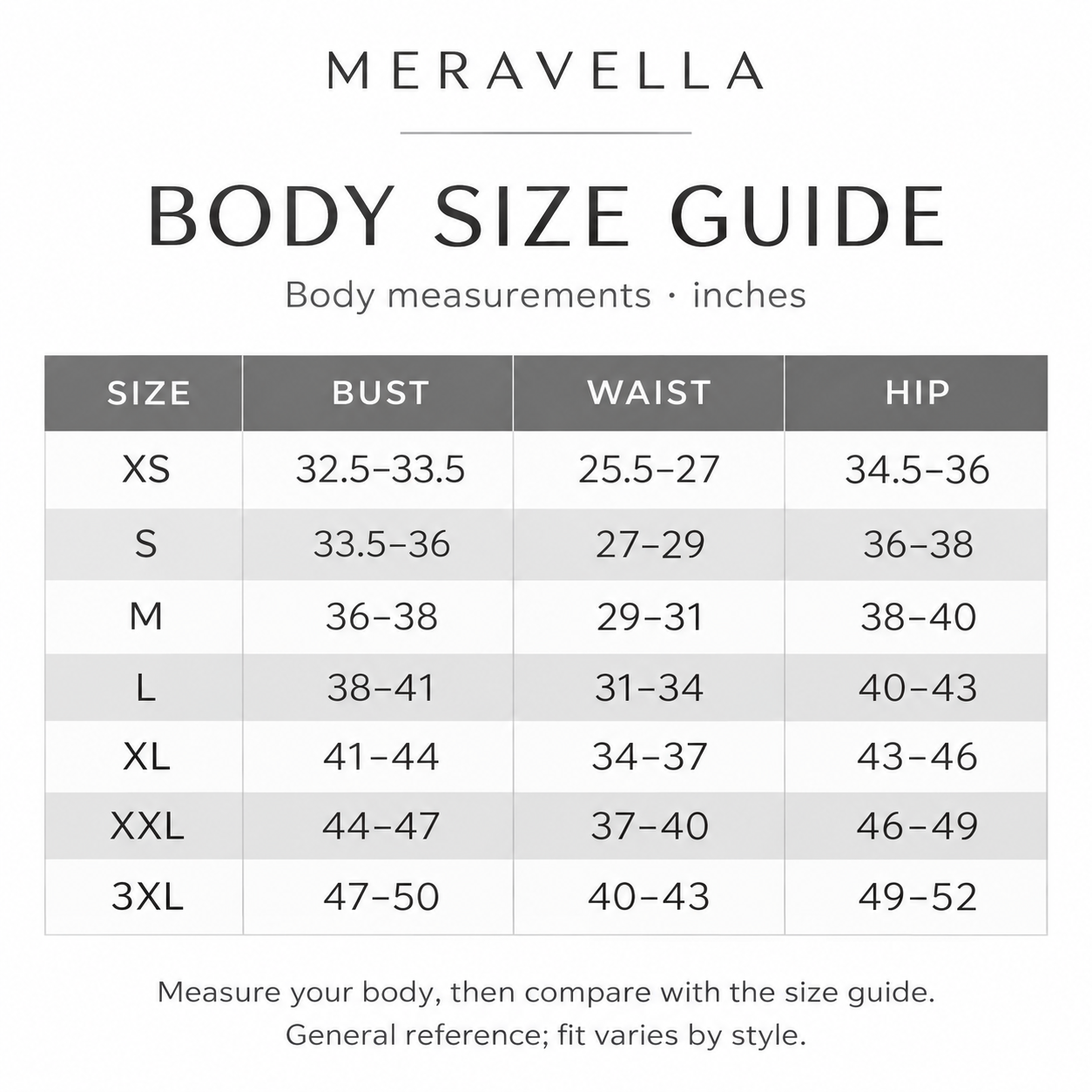
- S, M, L, XL and XXL are available. The dress table lists bust, waist, sleeve length and overall length separately from the standard body size ranges above it.
Fit: start with bust and waist
The upper dress is fitted, so start by comparing the bust and waist with a dress you wear comfortably. Check sleeve length against a long sleeve you already like, and compare overall length with the shoes you plan to wear. The size guide separates general body ranges from dress measurements, which are better used with a similar garment for comparison.
Care: keep the hem clear
Follow the sewn-in care label for washing, drying and pressing. Give the long skirt room to hang freely instead of allowing the hem to fold against the floor. Keep the light fabric and plain cuffs away from rough fasteners or dark accessories that may rub against them, and store the dress apart from pieces that compress the sleeves.